
Diabetic Compression Socks
-
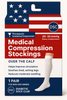
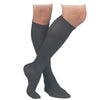
Men's Over The Calf Compression Stocking Socks (1 Pair) - Large (shoe size 10-12) / White / 20-30mmhg (high)


- Regular price
- $41.95
- Sale price
- $29.99
-
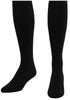
Men's Over The Calf Compression Stocking Socks (1 Pair) - Large (shoe size 10-12) / Black / 15-20mmHg (medium)


- Regular price
- $41.95
- Sale price
- $24.99
-
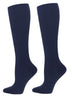
Men's Over The Calf Compression Stocking Socks (1 Pair) - Large (shoe size 10-12) / Navy / 15-20mmHg (medium)


- Regular price
- $41.95
- Sale price
- $24.99
-
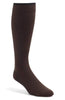
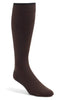
Men's Over The Calf Compression Stocking Socks (1 Pair) - Large (shoe size 10-12) / Brown / 20-30mmhg (high)


- Regular price
- $41.95
- Sale price
- $29.99
-
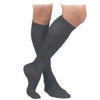
Men's Over The Calf Compression Stocking Socks (1 Pair) - Large (shoe size 10-12) / Grey / 8-15mmHg (low)


- Regular price
- $31.95
- Sale price
- $19.99
-
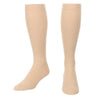
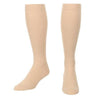
Men's Over The Calf Compression Stocking Socks (1 Pair) - Medium (shoe size 8-10) / Tan / 20-30mmhg (high)


- Regular price
- $41.95
- Sale price
- $29.99
-
Women's Over The Calf Compression Stocking Socks (1 Pair) - Medium (shoe size 7-10) / White / 20-30mmhg (high)


- Regular price
- $51.95
- Sale price
- $29.99

-
Women's Over The Calf Compression Stocking Socks (1 Pair) - Medium (shoe size 7-10) / Black / 20-30mmhg (high)


- Regular price
- $51.95
- Sale price
- $29.99
-
Women's Over The Calf Compression Stocking Socks (1 Pair) - Medium (shoe size 7-10) / Brown / 20-30mmhg (high)


- Regular price
- $51.95
- Sale price
- $29.99
-
Women's Over The Calf Compression Stocking Socks (1 Pair) - Medium (shoe size 7-10) / Grey / 8-15mmHg (low)


- Regular price
- $31.95
- Sale price
- $19.99
-
Women's Over The Calf Compression Stocking Socks (1 Pair) - Medium (shoe size 7-10) / Tan / 20-30mmhg (high)


- Regular price
- $51.95
- Sale price
- $29.99
-
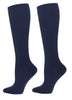
Women's Over The Calf Compression Stocking Socks (1 Pair) - Large (shoe size 10-13) / Navy / 15-20mmHg (medium)


- Regular price
- $41.95
- Sale price
- $24.99
-
Medical Compression Stockings (Over The Calf) - Large (shoe size 10-12) / White / 20-30mmhg (high)

- Regular price
- $41.95
- Sale price
- $29.99
-
Medical Compression Stockings (Over The Calf) - Large (shoe size 10-12) / Black / 15-20mmHg (medium)

- Regular price
- $41.95
- Sale price
- $24.99
-
Medical Compression Stockings (Over The Calf) - Large (shoe size 10-12) / Navy / 15-20mmHg (medium)

- Regular price
- $41.95
- Sale price
- $24.99
-
Medical Compression Stockings (Over The Calf) - Large (shoe size 10-12) / Brown / 20-30mmhg (high)

- Regular price
- $41.95
- Sale price
- $29.99
-
Medical Compression Stockings (Over The Calf) - Large (shoe size 10-12) / Grey / 8-15mmHg (low)

- Regular price
- $31.95
- Sale price
- $19.99
-
Medical Compression Stockings (Over The Calf) - Medium (shoe size 8-10) / Tan / 20-30mmhg (high)

- Regular price
- $41.95
- Sale price
- $29.99


Diabetic compression socks combine the protective features of diabetic socks — non-binding cuffs, seamless toes, and moisture-wicking fabric — with gentle graduated pressure that may help improve blood flow from your feet and legs back to your heart. If you're managing diabetes alongside swelling, leg fatigue, or poor circulation, diabetic compression socks are designed to address both concerns in a single pair.
At Diabetic Sock Club, our compression socks are manufactured in Alabama, USA with premium materials and strict quality control. Available in multiple compression levels for men and women. Over 7,800 customers have rated our socks 4.9 out of 5 stars. Free shipping on every order, backed by our 1-year replacement guarantee.
How Compression Helps Diabetic Feet
Diabetes can damage blood vessels and nerves over time, leading to circulation problems in your lower extremities. When blood flow slows, fluid may pool in your feet and ankles, causing swelling (edema), heaviness, and discomfort. Compression socks work by applying graduated pressure — firmest at the ankle and gradually decreasing toward the calf — to help push blood back toward your heart.
Venous Return and Edema Reduction
Graduated compression is designed to support your body's natural venous return — the process of moving deoxygenated blood from your lower legs back to your heart. When this system is compromised by diabetes-related vascular changes, fluid can accumulate in your feet and ankles. The gentle pressure from compression socks may help reduce this swelling by encouraging fluid to move rather than settle.
The CDC emphasizes that foot complications are among the most common issues for people with diabetes, and maintaining healthy circulation is a key part of prevention.
Circulation Improvement Throughout the Day
Whether you spend long hours sitting, standing, or on your feet, gravity works against your circulation. Compression socks are intended to counteract this effect by providing consistent, gentle support to your lower leg veins. Many people notice their legs feel lighter and less fatigued when wearing graduated compression during daily activities.
According to the American Diabetes Association, proper foot care — including appropriate footwear and socks — is essential for anyone living with diabetes.
Understanding Compression Levels
Compression socks are measured in millimeters of mercury (mmHg), which indicates how much pressure the sock applies to your leg. Higher numbers mean firmer compression. Choosing the right level depends on your specific needs and your healthcare provider's guidance.
8-15 mmHg — Mild Compression
Mild compression is designed for everyday wear and may help with tired, achy legs, minor swelling, and long travel days. This level provides gentle support without feeling restrictive and is often the best starting point if you're new to compression socks. Most people can wear 8-15 mmHg compression without a prescription.
20-30 mmHg — Firm Compression
Firm compression offers medical-grade support designed for more significant concerns including moderate to severe edema, venous insufficiency, varicose veins, and post-surgical recovery. This level provides stronger pressure that may help manage chronic swelling throughout the day. Consult your healthcare provider before starting 20-30 mmHg compression, especially if you have neuropathy or peripheral artery disease.
Graduated Pressure Explained
All DSC compression socks use graduated compression, meaning the pressure is strongest at the ankle and gradually decreases toward the top of the sock. This gradient is intentional — it's designed to work with your body's natural circulation, encouraging blood to flow upward rather than pooling at your feet. Graduated compression is the type most commonly recommended by healthcare professionals for people with diabetes.
Non-Binding Design for Diabetic Safety
Standard compression socks often use tight elastic at the top to keep the sock in place. For people with diabetes, that tight band can create a tourniquet effect — constricting circulation at the very point where blood needs to flow freely. Our diabetic compression socks solve this with a non-binding cuff that holds the sock up gently without squeezing.
This design means you get the benefits of graduated compression through the foot and calf without the risks of constriction at the top. Combined with our seamless toe construction, moisture-wicking materials, and extra cushioning, our compression socks are built specifically for diabetic foot safety.
Who Should Wear Diabetic Compression Socks
Diabetic compression socks may be beneficial if any of the following apply to you:
- Edema or swelling in feet and ankles — graduated pressure is designed to help reduce fluid buildup
- Poor circulation or cold feet — compression may help encourage blood flow to your lower extremities
- Varicose veins or spider veins — compression can provide relief from achiness and heaviness
- Long hours standing or sitting — healthcare workers, desk workers, and travelers may benefit from daily compression
- Post-surgical recovery — your doctor may recommend compression to reduce swelling after surgery
- Venous insufficiency — when leg veins struggle to return blood efficiently to the heart
- Leg fatigue and heaviness — compression may help your legs feel lighter throughout the day
- Healthcare provider recommendation — your doctor, podiatrist, or vascular specialist has recommended compression
Compression Level Guide
Not sure which compression level is right for you? Here's a general guide — but always consult your healthcare provider for personalized recommendations:
- Mild swelling, tired legs, travel → 8-15 mmHg
- Moderate edema, varicose veins, long workdays → 15-20 mmHg
- Significant swelling, venous insufficiency, post-surgical → 20-30 mmHg
- New to compression socks → Start with 8-15 mmHg and consult your doctor
Not Sure Which Compression Level Is Right for You?
Answer 5 quick questions and we'll recommend the perfect pair.
Take the Sock Quiz →Diabetic Compression vs Regular Compression
Regular compression socks are designed for the general population and prioritize pressure delivery. Diabetic compression socks go further — they include protective features that are critical for people with diabetes:
- Non-binding cuff — regular compression socks often have tight elastic tops that constrict circulation
- Seamless toe — regular compression socks may have raised seams that cause friction on numb feet
- Moisture-wicking materials — many standard compression socks use synthetic fabrics that trap moisture
- Extra cushioning — diabetic compression socks include padding to protect against pressure injuries
For a detailed side-by-side comparison, read our guide: Diabetic Compression Socks vs Regular Compression Socks.
When to Avoid Compression
Important: Compression socks are not safe for everyone. You should consult your healthcare provider before wearing compression socks if you have any of the following conditions:
- Peripheral artery disease (PAD) — compression may further restrict already-reduced arterial blood flow
- Open wounds or skin ulcers on your legs — compression over broken skin can impede healing and increase risk of infection
- Severe peripheral neuropathy — if you cannot feel your feet, you may not detect if compression is too tight
- Skin infections or dermatitis — compression may worsen inflammation in affected areas
If any of these apply to you, talk to your doctor before trying compression socks. Our non-binding diabetic socks (without compression) or neuropathy socks may be a safer alternative for your needs.
Choosing the Right Style
Finding the right diabetic compression sock depends on your compression needs, lifestyle, and personal preference.
By Compression Level
Start with mild compression (8-15 mmHg) if you're new to compression or have minor swelling. Move to firm compression (20-30 mmHg) if you need stronger support for chronic edema, venous insufficiency, or post-surgical recovery. Your healthcare provider can help determine the right level.
For Men and Women
Our diabetic compression socks are available in sizes for both men and women. Browse our full selection:
- Men's diabetic socks — Including compression styles in sizes M through XL
- Women's diabetic socks — Including compression styles in sizes S through L
The DSC Value
Premium diabetic compression socks shouldn't cost $15 to $20 per pair. At Diabetic Sock Club, you get physician-approved quality at a fraction of the price — with every pair manufactured in the USA under strict quality control.
1-Year Replacement Guarantee
If your socks wear out within a year, we replace them free. No questions asked.
With over 7,800 verified reviews at 4.9 stars, our customers trust DSC for comfort, durability, and real value. Every order ships free, and a portion of every sale supports diabetes research and education.
Frequently Asked Questions About Diabetic Compression Socks
What is the difference between diabetic socks and diabetic compression socks?
Diabetic socks are non-binding and loose-fitting with no compression — they protect feet without applying pressure. Diabetic compression socks add gentle graduated pressure (8-30 mmHg) to improve circulation while still featuring a non-binding cuff and seamless toe for diabetic foot protection.
What compression level do I need for diabetic feet?
For mild swelling and everyday wear, 8-15 mmHg is sufficient. For moderate edema or long periods of standing, 15-20 mmHg provides more support. For significant swelling, venous insufficiency, or post-surgical recovery, 20-30 mmHg offers medical-grade compression. Consult your healthcare provider for personalized guidance.
Can diabetics safely wear compression socks?
Yes, when properly fitted. Diabetic compression socks are specifically designed for people with diabetes — they combine graduated compression with a non-binding cuff and seamless toe to prevent constriction and skin irritation. Always start with a lower compression level and consult your doctor if you have severe neuropathy or peripheral artery disease.
How long should I wear compression socks each day?
Most people wear compression socks during waking hours and remove them before bed. Put them on first thing in the morning when swelling is lowest for the best fit. Read our full guide: How Long Should a Diabetic Wear Compression Socks?
Are compression socks safe for neuropathy?
Mild compression (8-15 mmHg) is generally safe for people with neuropathy and can improve circulation. However, if you have severe neuropathy with loss of sensation, consult your healthcare provider before wearing compression socks — you may not feel if the compression is too tight. Our neuropathy socks without compression are a safer alternative for severe cases.