
Are Grits Good for Diabetics? What to Know

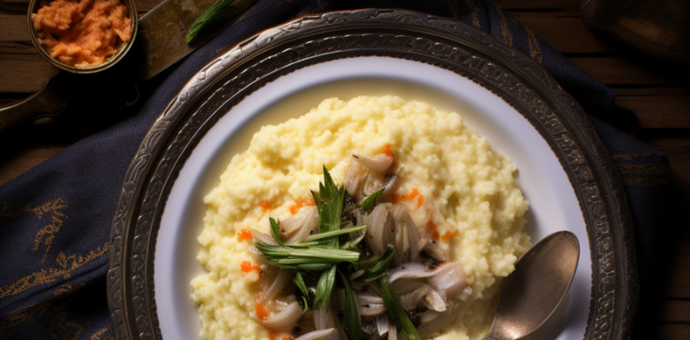
Short Answer: Yes, diabetics can eat grits—but the type of grits you choose and how you prepare them matters. Stone-ground or whole-grain grits are the best options because they digest more slowly and cause a gentler rise in blood sugar compared to instant or quick-cook varieties.
What Are Grits, Exactly?
Grits are a classic Southern comfort food made from ground, dried corn (also called hominy). They're creamy, versatile, and can be dressed up with everything from cheese to shrimp. But if you have diabetes or you're watching your blood sugar, you're right to wonder how grits fit into your diet.
Not all grits are created equal. The way they're processed makes a big difference in how they affect your body:
- Stone-ground grits: Made from whole corn kernels with the germ and hull intact. They're higher in fiber, digest more slowly, and have a lower glycemic impact. This is the best choice for blood sugar management.
- Hominy grits: Made from corn kernels that have been treated with an alkali solution. They lose some fiber in the process but still retain more nutrients than instant varieties.
- Quick or instant grits: Highly processed, with the germ and hull removed. They cook fast but digest quickly too, which means a faster and higher blood sugar spike.
Are Grits Healthy for Diabetics?
Grits themselves aren't "bad" for diabetics—but they are a carbohydrate-rich food, and carbohydrates directly affect blood sugar levels. A typical one-cup serving of cooked grits contains about 38 grams of carbohydrates, which is a significant portion of most diabetics' meal carb budget.
The key nutrients in a one-cup serving of cooked grits include:
- Approximately 182 calories
- 38g carbohydrates
- 4g protein
- 1-2g fiber (more in stone-ground varieties)
- Iron, B vitamins, and small amounts of other minerals
The glycemic index (GI) of grits varies depending on the type. Instant grits can have a GI as high as 87 (high), while stone-ground grits come in around 60-65 (medium). For context, anything above 70 is considered high GI, meaning it causes a rapid blood sugar spike.
Does Grits Raise Blood Sugar?
Yes, grits do raise blood sugar—as do all carbohydrate-containing foods. The real question is how much and how fast. Several factors influence the blood sugar response:
- Type of grits: Stone-ground grits raise blood sugar more gradually than instant grits because the fiber slows digestion.
- Portion size: A half-cup serving will have roughly half the glycemic impact of a full cup.
- What you eat with them: Pairing grits with protein, healthy fats, or fiber-rich foods slows the absorption of glucose and reduces the overall blood sugar spike.
- Your individual response: Everyone's body processes carbohydrates differently. Factors like insulin sensitivity, medication, activity level, and even time of day can affect how your blood sugar responds.
If you're concerned about how grits affect your blood sugar specifically, consider checking your glucose before eating and again 1-2 hours after. This gives you real data about your personal response.
Can a Diabetic Eat Grits? Yes—Here's How
Grits can absolutely be part of a diabetes-friendly diet when you approach them thoughtfully. Here are some practical ways to enjoy grits while keeping your blood sugar in check:
Choose Stone-Ground or Whole-Grain
Skip the instant packets. Stone-ground or whole-grain grits retain more fiber and nutrients, and they have a lower glycemic impact. They take longer to cook (20-30 minutes vs. 5 minutes for instant), but the blood sugar difference is worth it.
Watch Your Portions
A half-cup to three-quarter-cup serving is a reasonable portion for most people managing diabetes. This keeps the carbohydrate load manageable while still letting you enjoy the flavor and texture you love.
Pair with Protein and Healthy Fats
Never eat grits alone if blood sugar is a concern. Adding protein and healthy fats slows digestion and reduces the glucose spike. Great pairings include:
- Scrambled eggs or an egg-white omelet
- Grilled shrimp or chicken
- Sautéed vegetables with olive oil
- Avocado slices
- A sprinkle of nuts or seeds
Skip the Sugar, Add Flavor Differently
Some people sweeten grits with sugar, honey, or syrup—that's a quick way to spike blood sugar further. Instead, try savory preparations with garlic, herbs, a little cheese, or sautéed greens. If you prefer a sweeter flavor, a small amount of cinnamon can add warmth without added sugar.
Add Fiber Boosters
Toss in some chia seeds, ground flaxseed, or a handful of sautéed spinach to increase the fiber content. More fiber means slower digestion and a gentler blood sugar curve.
Cook in Water, Not Milk
Cooking grits in water instead of milk reduces the overall carbohydrate and calorie content. You can add a splash of unsweetened almond milk at the end for creaminess without the extra sugar.
Grits in a Diabetic Meal Plan: Ideas for Every Meal
Grits aren't just for breakfast. Here are balanced meal ideas that incorporate grits while keeping blood sugar in mind:
- Breakfast: Half-cup of stone-ground grits with scrambled eggs, sautéed spinach, and a dash of hot sauce.
- Lunch: Savory grits bowl with grilled chicken or tofu, roasted vegetables, and a drizzle of olive oil.
- Dinner: Shrimp and grits with a side of black bean salsa and steamed broccoli—a balanced, satisfying meal.
- Snack: Small portion of grits pudding made with berries, nuts, and cinnamon (no added sugar).
Remember, portion control is essential. Monitoring your carbohydrate intake across the whole day—not just one meal—helps you maintain better control over blood sugar levels.
Grits vs. Other Breakfast Options for Diabetics
How do grits stack up against other popular breakfast carbs? Here's a quick comparison per one-cup cooked serving:
- Stone-ground grits: ~38g carbs, GI ~60-65 (medium)
- Oatmeal (rolled oats): ~27g carbs, GI ~55 (medium)
- White rice: ~45g carbs, GI ~73 (high)
- Cream of wheat: ~38g carbs, GI ~66 (medium)
Grits are comparable to other grain-based breakfast options. Oatmeal has a slight edge with fewer carbs and more soluble fiber, but grits are a perfectly reasonable alternative—especially if you enjoy them more. The best breakfast is the one that fits your preferences, keeps your blood sugar stable, and keeps you satisfied until lunch.
Special Considerations
Talk to Your Healthcare Team
Everyone's diabetes is different. Your doctor, dietitian, or certified diabetes educator can help you figure out the right portion sizes and meal composition for your specific needs. If you're on insulin or medications that affect blood sugar, adjustments may be needed when adding or changing carbohydrate-rich foods in your diet.
Monitor Your Response
The best way to know how grits affect your blood sugar is to test it. Check your glucose before eating and 1-2 hours after. If the rise is larger than expected, try reducing the portion or adding more protein and fiber next time.
Foot Care Matters Too
Managing diabetes isn't just about what you eat—it's about caring for your whole body, including your feet. If you're living with diabetes or neuropathy, protecting your feet with the right socks is just as important as making smart food choices. Diabetic socks with non-binding cuffs, seamless construction, and moisture-wicking materials help prevent the foot complications that high blood sugar can cause over time.

The Bottom Line
Are grits good for diabetics? They can be—when you choose the right type (stone-ground), control your portions, and pair them with protein and fiber. Grits are a satisfying, comforting food that doesn't have to be off-limits just because you have diabetes.
The key is making informed choices: pick whole-grain varieties, watch your portion sizes, and balance your plate. With these simple adjustments, grits can remain a regular part of your diabetic-friendly meal plan.
About This Article
Author: the Diabetic Sock Club Editorial Team
Medical Disclaimer: This article is for informational purposes only and should not be considered medical advice. Dietary needs vary from person to person, and what works for one individual with diabetes may not be appropriate for another. Always consult with your healthcare provider, registered dietitian, or certified diabetes educator before making significant changes to your diet. Do not use this article as a substitute for professional medical or nutritional guidance.
Last Updated: May 2026